

As artificial intelligence establishes itself as the ultimate personal assistant, OpenAI is taking a decisive step. The official announcement of the global rollout of ChatGPT Go and the introduction of native advertising mark a turning point: AI is no longer just a productivity tool, it's becoming a major acquisition channel. For brands, this shift necessitates a transition from clicks to recommendations, redefining the rules of digital visibility.
The deployment of ChatGPT Go and universal access to AI
Since the beginning of 2026, OpenAI has rolled out its $8 USD per month "Go" plan in more than 170 countries. This offer, positioned between the free version and the Pro plan, provides access to vision, memory, and image generation capabilities at a reduced price.
Why introduce advertising now?
The introduction of advertisements in the Free and Go versions serves two purposes: to finance the enormous infrastructure costs of the next-generation models and to maintain a version accessible to the widest possible audience. OpenAI is drawing inspiration here from the hybrid models already tested by Google And Perplexity where advertising finances technological innovation.
An advertising format focused on user experience
Advertising on ChatGPT will not resemble traditional banners. It will be contextual, useful, and above all, non-intrusive.
Transparency as a guarantee of trust
OpenAI has established clear principles: ads will be clearly identified as "Sponsored" and will primarily appear at the bottom of responses. Most importantly, conversation data will not be sold to advertisers, and targeting will be based on the immediate intent of the session, thus ensuring privacy.
Interactivity in the service of conversion
Unlike static links, these ads will soon allow users to ask questions directly to the ad. This conversational format reduces friction between product discovery and purchase decision, transforming ChatGPT into a true integrated sales advisor.
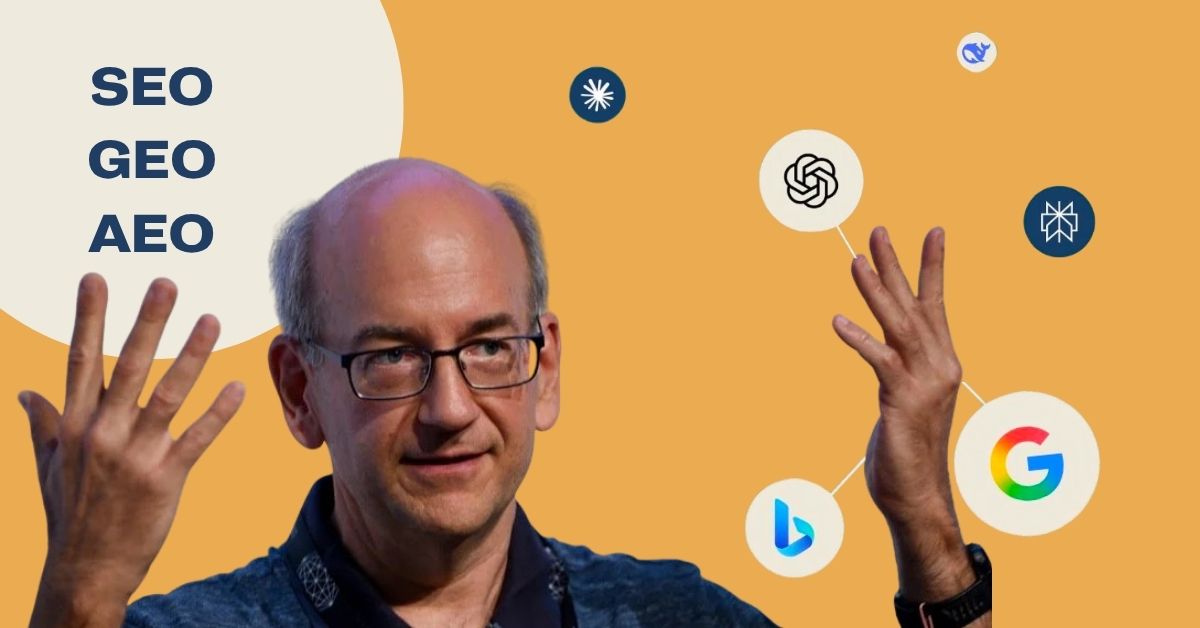
Strategic parallel: Google Ads/SEO vs. ChatGPT Ads/GEO
The arrival of this new channel creates a divide between two marketing approaches. It is crucial for companies to understand how these two worlds coexist and complement each other.
Google Ads and SEO: Conquering Traffic
Google's traditional model is based on abundance. SEO aims to position a website to generate clicks to an external destination. Google Ads, on the other hand, buys immediate visibility within a list of choices. It's a destination marketing strategy.
ChatGPT Ads and GEO: The conquest of recommendation
On ChatGPT, Generative Engine Optimization (GEO) replaces SEO. The goal is no longer to be listed, but to be cited by AI as the leading solution. GEO is the organic counterpart to conversational advertising: it's about optimizing your digital assets so they are understood and recommended by language models.
-
To delve deeper into GEO: Consult this guide on the GEO: The evolution of SEO for artificial intelligence .
-
Mastering AIO: AI optimization is the engine of your future visibility. Discover the AIO strategies for generative engines .
The importance of an omnichannel strategy and the user journey
It would be risky to choose one channel over another. The consumer journey in 2026 is fragmented and multidimensional. A credible brand must be present wherever its user is, regardless of the interface.
Guiding the user through each step of the "Funnel"
A user can discover a need on ChatGPT (Inspiration), compare technical options on Google (Validation) and consult case studies on your website before returning to the AI to ask a final question about the warranty.
Credibility and trust: External signals
To dominate these interfaces, trust is the currency. AI gives more weight to brands with authoritative backlinks and mentions in credible external sources. Visibility on ChatGPT is the result of a healthy digital ecosystem, validated by third parties and structured for machine reading.